Enough of the politics.
Let's focus on providing our children a quality education.
Priorities & Goals
Serving families.
Supporting staff.
Helping students find success.
fight for what matters most
Every decision should start with students, support the people who teach them, and earn the trust of families. My priorities focus on practical solutions, responsible leadership, and preparing students for life beyond the classroom. Some changes can happen locally. Others require action at the state level. I'm committed to doing the work to move both forward.
Explore My Priorities
Serving families
Families should feel informed, heard, and supported throughout their child's education. That means removing unnecessary barriers, improving communication, and making sure every family has access to the resources they need.
-
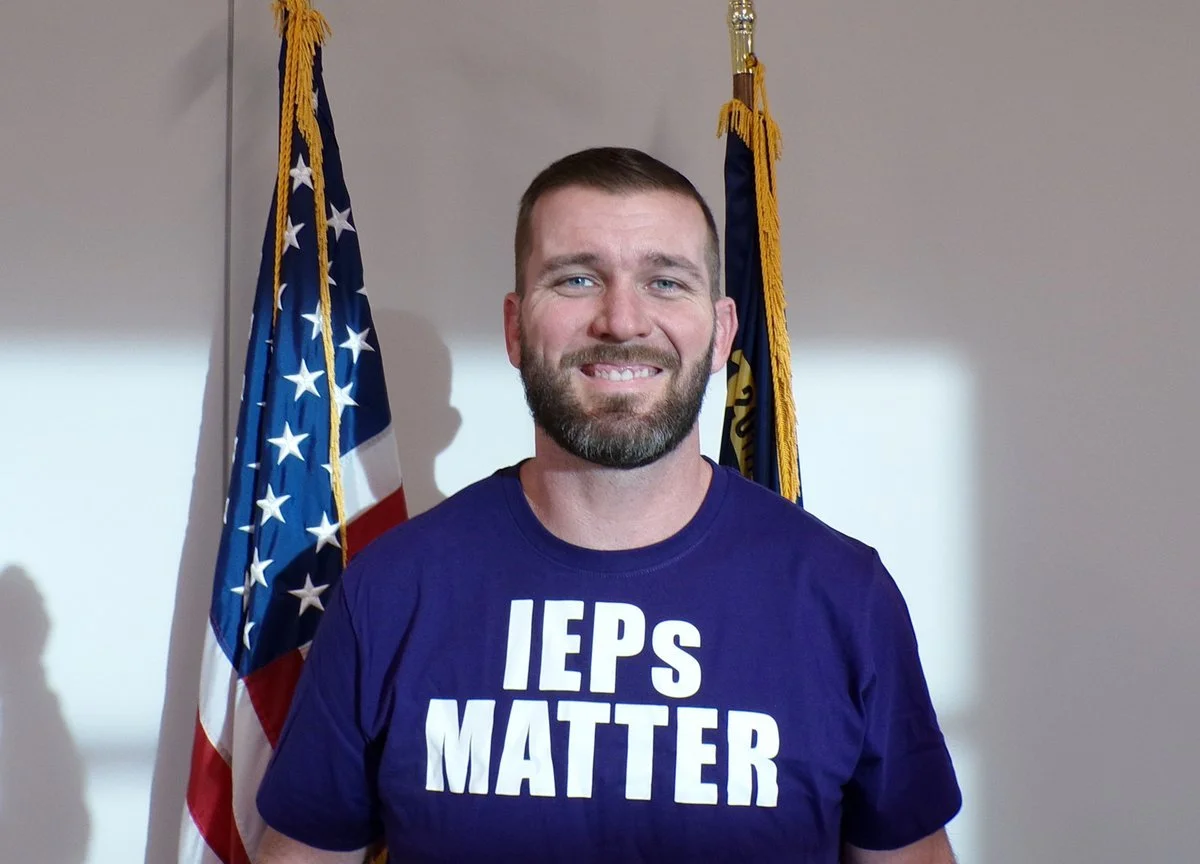
As a parent who has navigated the IEP process, I understand how overwhelming it can be for families and how much work goes into it for school staff. I want to make the experience easier for everyone by providing plain-language resources, step-by-step video guides, and clearer explanations of evaluations, services, parental rights, and available options. Better resources can help families feel prepared, reduce confusion, and allow educators to focus more time on each student's individual needs. The goal is a smoother, more collaborative process that supports families, staff, and students alike.
-
Identify students who are struggling before challenges become crises. Strengthen early intervention programs and partnerships among schools, families, and community organizations to address academic, behavioral, and attendance concerns. The earlier we provide meaningful support, the better positioned students are to succeed.
-
Advocate for sustainable funding and partnerships that expand access to quality Pre-K programs. Early childhood education builds the foundation for academic achievement, social development, and long-term success. More families should have access to these opportunities before their children enter kindergarten.
-
Build on the strong partnerships already established with local businesses, nonprofits, and community organizations. Explore innovative ways to expand these relationships, create new opportunities for mentorship and enrichment, and connect more families with valuable resources. Our community already does so much for our schools, and I believe there's even more we can accomplish together.
Helping Students Find Success
Graduation should be the beginning of a student's success, not the finish line.
Every student deserves a meaningful path forward. Success looks different for everyone, and our schools should prepare students for the futures they want to pursue.
-
Build on programs like the Career and Leadership Development Academy (CLDA) by exploring opportunities to introduce broader career awareness as early as fifth and sixth grade. Strengthen partnerships with local employers and improve communication so families understand the programs and opportunities available to their children.
-
Expand Career and Technical Education (CTE), Cooperative Innovative High School opportunities, and partnerships with Cape Fear Community College and local employers. Students should have opportunities to graduate with industry credentials, college credits, and practical experience that prepare them for skilled, well-paying careers, including careers that don't require a four-year degree.
-
Enrollment. Enlistment. Employment.
Whether a student plans to attend college, enter military service, or join the workforce, they deserve a clear plan to reach that goal. Strengthen academic and career advising to help students identify their interests, understand requirements, complete necessary coursework, and graduate prepared for their next step.
-
Preparing students for adulthood means more than academic achievement. Explore opportunities to strengthen instruction in financial literacy, budgeting, taxes, insurance, workplace benefits, and other everyday responsibilities. Students should graduate with the knowledge and confidence to navigate life beyond the classroom.
-
Not every student's success can be measured by a standardized test score or college acceptance letter. For some, success means entering a career or pursuing higher education. For others, it means developing communication skills, daily living skills, or greater independence. Support individualized goals and recognize meaningful progress for students of all abilities.
-
Create more opportunities for students to explore entrepreneurship, develop business skills, and turn ideas into practical ventures. Partner with local business owners and entrepreneurs to provide mentorship, hands-on experiences, and exposure to what it takes to start and operate a business.
-
Expand meaningful technology-based learning opportunities while preparing students for emerging tools, including artificial intelligence. Emphasize digital literacy, responsible use, safety, and ethics so students develop the skills needed to navigate an increasingly technology-driven world.
Supporting Staff
Our educators and school employees are essential to student success. Supporting them means investing in their professional growth, listening to their concerns, and creating a school system where talented employees want to stay.
-
Make New Hanover County a place where great educators and support staff want to build their careers. Advocate for competitive compensation, benefits that recognize experience and long-term service, improved leave policies, and better working conditions. Explore solutions such as a bereavement leave pool so employees aren't forced to use sick leave to mourn the loss of a loved one.
-
Employees deserve meaningful input into decisions that affect their schools and classrooms. Support a teacher-led advisory council, more frequent anonymous climate surveys, and stronger communication between staff and district leadership. Feedback should lead to action, not simply another report.
-
Advocate for lower student-to-teacher ratios and classroom staffing that reflects student needs. Smaller classes give educators more opportunities to provide individualized instruction, identify challenges early, build relationships, and create productive learning environments.
TRANSPARENCY, SAFETY & ACCOUNTABILITY
Public trust is earned through honest communication, responsible decisions, and measurable results. Families, staff, and taxpayers deserve a school system that operates openly, protects students, and takes responsibility for its decisions.
-
Improve public access to district information through timely public records responses, plain-language explanations of decisions, and greater transparency in board operations. Expand livestreaming and recorded access to public committee meetings so families and staff can follow important discussions. Establish measurable goals and hold district leadership accountable for results.
-
Respect taxpayer dollars by prioritizing classrooms, educators, and resources that directly support learning. Regularly review spending, identify opportunities for greater efficiency, and ensure funding decisions are tied to clear needs and measurable outcomes. Responsible spending means making every dollar work harder for students.
-
Maintain clear expectations and consistent accountability while strengthening early intervention and diversion programs that address behavioral challenges before they escalate. Work with families, schools, law enforcement, and community partners to address youth violence and gang involvement while protecting safe, productive learning environments.
-
Community partnerships provide valuable opportunities, but student safety must remain a priority. Review and strengthen Memorandums of Understanding (MOUs) to establish clearer screening, approval, and accountability procedures for individuals working with students through outside organizations, including former district employees. Close potential safety gaps while respecting employee rights and avoiding unnecessary costs.
STATE LEGISLATIVE PRIORITIES
Some of the most important changes facing public education cannot be made by a school board alone. I will work with state legislators and community partners to advocate for policies that give local districts the flexibility, resources, and protections they need.
-
Advocate for stronger North Carolina legislation to prevent school employees with serious misconduct concerns from moving between districts without appropriate accountability. Strengthen reporting requirements and the lawful sharing of relevant disciplinary information while protecting employee due process. Existing safeguards should be strengthened so resignation or relocation cannot be used to evade appropriate scrutiny.
-
Advocate for legislation allowing counties to offer tiered property tax incentives to long-serving public employees. Those who dedicate their careers to serving New Hanover County should have opportunities for meaningful financial recognition that increases with their years of service.
-
Advocate for changes to North Carolina's school calendar law that give local school boards greater flexibility to establish calendars that reflect community needs. Local districts should have more authority to make decisions that work for their students, families, and employees.
-
Advocate for a funding model that better reflects where students are actually enrolled. When students transfer from charter schools to traditional public schools after annual funding calculations, districts should receive appropriate funding adjustments to support those students. Resources should follow the responsibility of providing their education.